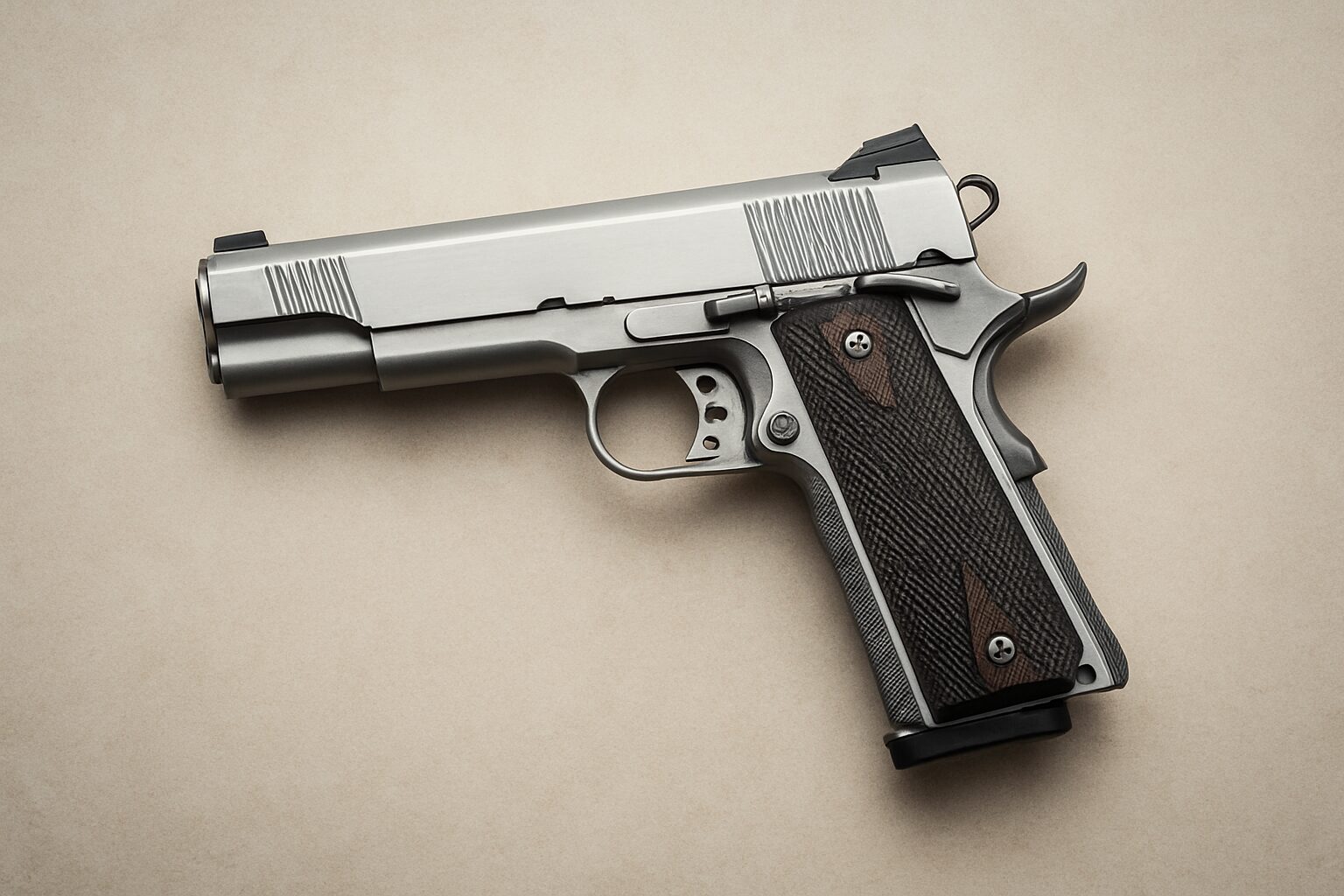
What are custom made firearms?
Firearm selection can involve several considerations, including intended use, handling preferences, build quality, and applicable laws. custom made firearms are developed around specific requirements rather than relying solely on standard configurations. A professional approach focuses on careful specification, responsible manufacturing, quality control, and safe ownership while ensuring that every firearm remains compliant with relevant legal requirements.
What’s Covered
- What are custom made firearms?
- Why do some owners consider customized firearms?
- What should be considered before choosing a custom firearm?
- How does professional manufacturing affect quality?
- Does customization mean every feature can be changed?
- How important is fit and ergonomics?
- What role does quality control play?
- Are legal requirements important for custom firearms?
- How should a custom firearm be maintained?
- What makes a professional custom firearm program different?
- What should responsible ownership involve?
- What is the key takeaway?
Why do some owners consider customized firearms?
Different users may have different preferences concerning ergonomics, appearance, handling characteristics, and intended application. A customized firearm can provide an opportunity to select appropriate features through a controlled professional process. The objective should be creating a well-considered configuration rather than adding unnecessary components or making changes without proper evaluation.
What should be considered before choosing a custom firearm?
The starting point should be the intended lawful purpose and the owner’s experience level. Important considerations can include comfortable handling, appropriate fit, reliable operation, maintenance requirements, and compatibility with established safety practices. Professional guidance can help ensure that selected specifications are practical and suitable for the user’s circumstances.
How does professional manufacturing affect quality?
Manufacturing standards play an important role in firearm reliability and consistency. Professional production involves controlled processes, inspection procedures, material selection, and quality checks. These practices help identify manufacturing issues before a firearm reaches the customer. Attention to consistency is particularly important because firearms are precision mechanical products that require responsible engineering and careful handling.
Does customization mean every feature can be changed?
Not necessarily. Customization remains subject to engineering limitations, manufacturing standards, applicable regulations, and safety considerations. Certain changes may affect the way a firearm operates or may not be appropriate for a particular platform. A professional manufacturer can explain which specifications are suitable and which requests may create unnecessary safety or compliance concerns.
How important is fit and ergonomics?
Fit can influence comfort, control, and the overall handling experience. Stock configuration, grip characteristics, controls, balance, and other ergonomic factors may affect how naturally a user interacts with a firearm. These considerations should be evaluated carefully rather than selected purely for appearance. A properly considered configuration can support consistent handling within appropriate safety practices.
What role does quality control play?
Quality control is a fundamental part of responsible firearm manufacturing. Inspection and testing procedures can help confirm that components meet established manufacturing requirements. Professional production also emphasizes consistency between design specifications and the finished product. Documentation, inspection records, and appropriate final checks can contribute to a more accountable manufacturing process.
Are legal requirements important for custom firearms?
Legal compliance should always be considered before purchasing, owning, transporting, or configuring a firearm. Regulations vary by jurisdiction and can cover licensing, registration, possession, transportation, storage, and permitted configurations. Owners should consult the relevant government authorities and qualified legal professionals for current requirements rather than relying on informal advice.
How should a custom firearm be maintained?
Routine maintenance should follow the manufacturer’s official guidance. Owners should keep firearms unloaded when appropriate for maintenance, follow established safety procedures, and use qualified professionals when inspection or servicing is required. Any suspected mechanical problem should be addressed by an appropriately qualified gunsmith or manufacturer instead of attempting an uncertain repair.
What makes a professional custom firearm program different?
A professional program combines structured consultation, manufacturing discipline, quality assurance, and responsible customer support. The emphasis is on understanding requirements and producing a consistent, legally compliant product rather than pursuing modifications without technical justification. Clear communication between the customer and manufacturer can also reduce misunderstandings about specifications and expected performance.
What should responsible ownership involve?
Responsible ownership extends beyond selecting a firearm. Safe storage, appropriate training, careful transportation, regular inspection, and compliance with local laws are essential elements of responsible use. Owners should also understand their responsibilities before taking possession of any firearm and seek qualified instruction when they need additional guidance.
What is the key takeaway?
Custom firearm selection is best approached as a professional process built around lawful purpose, practical specifications, quality manufacturing, and safety. Understanding the relationship between design, ergonomics, quality control, maintenance, and legal responsibilities can help customers make informed decisions while supporting responsible firearm ownership.
What You Need to Know
- Custom made firearms are developed around specific requirements rather than relying solely on standard configurations.
- Important considerations for selecting a custom firearm include intended lawful purpose, comfortable handling, and compatibility with safety practices.
- Professional manufacturing involves controlled processes and quality checks that help ensure firearm reliability and consistency.
- Customization is subject to engineering limitations, manufacturing standards, and applicable regulations that may affect firearm operation.
- Legal compliance is crucial and varies by jurisdiction, covering aspects such as licensing, registration, and possession.
- Responsible firearm ownership includes safe storage, appropriate training, and compliance with local laws.