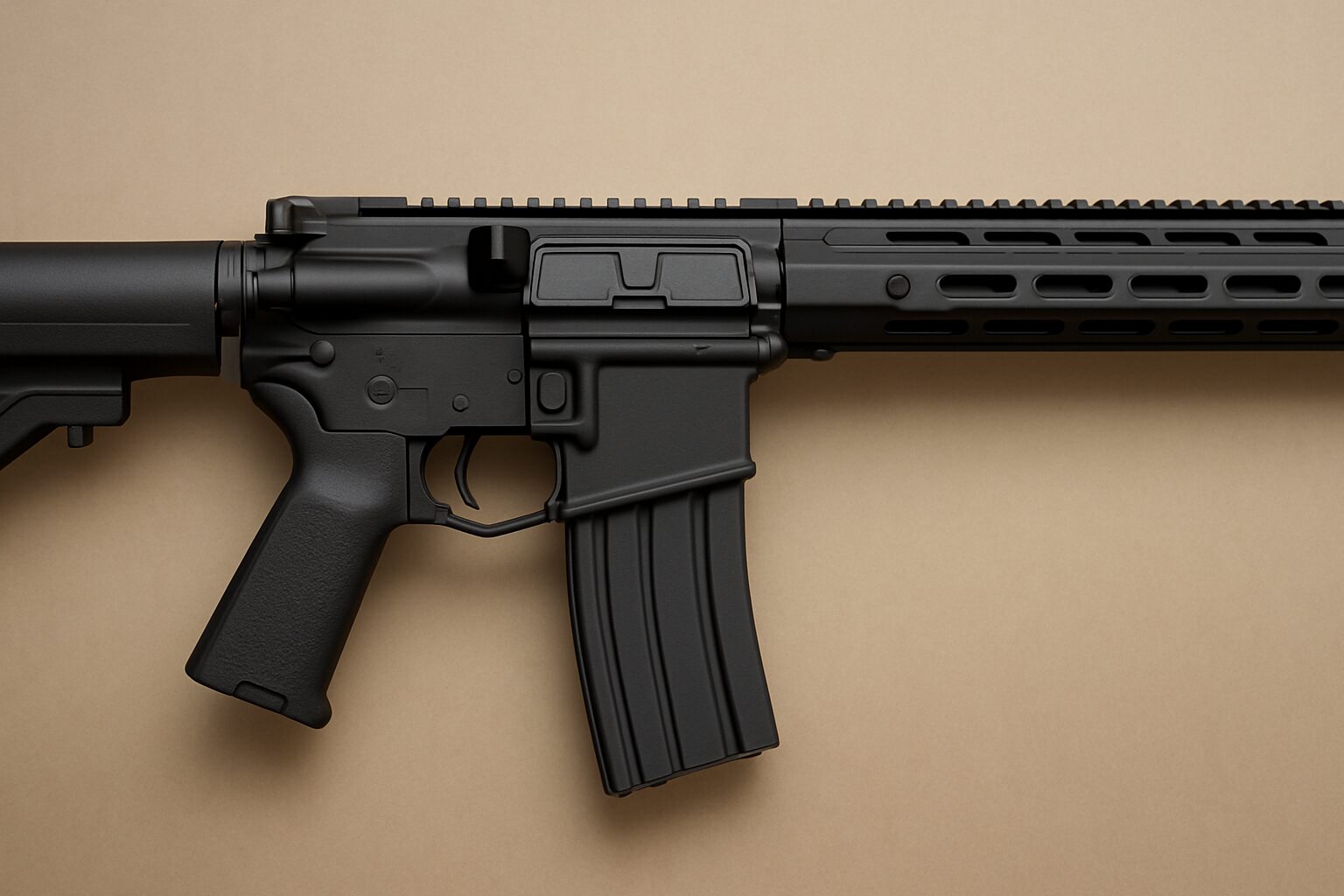
What Should You Know Before Planning an AR-10 Build?
Planning a rifle platform requires careful consideration of intended use, component compatibility, and applicable regulations. A custom ar10 build involves evaluating how different components and design choices affect overall quality, reliability, and suitability. Before making decisions, it is important to understand the platform’s general characteristics, establish a realistic budget, and identify the relevant legal requirements. A well-informed approach helps owners prioritize responsible use, proper maintenance, and long-term equipment care.
What Makes the AR-10 Platform Different?
The AR-10 is a rifle platform commonly associated with larger-caliber cartridges and a design that differs from smaller AR-pattern rifles. Its overall dimensions, weight, and component specifications can vary considerably. These differences make understanding the particular model important when researching accessories, replacement parts, or maintenance requirements. Buyers should consult official product documentation rather than assuming that components designed for one platform will automatically work with another.
Why Is Component Compatibility Important?
Compatibility is an important consideration when evaluating any firearm platform. Products that appear similar may have different specifications, dimensions, or manufacturer requirements. Reviewing the documentation for the exact model helps prevent unsuitable purchases and supports safe ownership. When technical questions arise, qualified professionals and the manufacturer’s support resources are more reliable than assumptions based on appearance alone.
How Should You Establish a Practical Budget?
A realistic budget should account for more than the initial equipment price. Depending on individual circumstances, expenses may include suitable storage, protective equipment, routine maintenance supplies, professional inspection, transportation, and legally required administrative costs. Comparing total ownership expenses helps buyers make informed decisions without overlooking important responsibilities. It is also sensible to reserve funds for ongoing care rather than allocating the entire budget to the initial purchase.
What Should You Consider When Choosing Accessories?
Accessory selection should reflect practical requirements, manufacturer guidance, and applicable laws. Buyers may research ergonomic considerations, appropriate storage solutions, protective equipment, and maintenance products. Durability, ease of care, warranty coverage, and clear product documentation are useful comparison criteria. Before purchasing any accessory, verify that it is approved for the specific model and does not introduce safety or compliance concerns.
How Can You Evaluate Overall Quality?
Quality assessment involves examining a manufacturer’s reputation, documentation, warranty terms, material descriptions, and customer support standards. Clear specifications make it easier to understand what a product offers and whether it meets reasonable expectations. Buyers should also consider the availability of authorized servicing and replacement components. Independent reviews can provide additional perspectives, but product claims should be evaluated carefully rather than accepted without verification.
What Maintenance Practices Support Responsible Ownership?
Regular maintenance helps preserve condition and supports safe handling. Owners should follow the official manual for inspection, cleaning, lubrication, and storage procedures. Any maintenance must take place only after the firearm has been verified unloaded and handled in accordance with established safety procedures. If damage, unusual wear, or a mechanical concern is identified, stop using the firearm and consult a qualified gunsmith or authorized service provider.
Which Safety Measures Should Owners Prioritize?
Safe firearm ownership begins with consistent handling practices. Always treat a firearm as loaded until its condition has been verified, keep the muzzle pointed in a safe direction, and keep your finger outside the trigger guard until lawful firing is intended. Store firearms securely, prevent unauthorized access, and use appropriate protective equipment. Training from a qualified instructor can reinforce safe habits and responsible decision-making.
What Legal Requirements Should You Review?
Firearm laws differ by jurisdiction and may regulate ownership, acquisition, transportation, storage, and particular equipment configurations. Requirements can also change over time. Before purchasing or modifying firearm-related equipment, consult current official government guidance and obtain qualified legal advice when necessary. Never assume that a product available commercially is automatically lawful in every location.
How Can You Make an Informed Final Decision?
A thoughtful decision combines reliable product information, realistic budgeting, compatibility checks, professional guidance, and responsible safety practices. Prioritizing these considerations helps prospective owners understand their obligations and evaluate equipment more effectively. Careful research, lawful conduct, and ongoing maintenance remain essential throughout the ownership experience.
What You Need to Know
- The AR-10 platform is designed for larger-caliber cartridges and differs significantly from smaller AR-pattern rifles in dimensions and specifications.
- Component compatibility is crucial when building an AR-10, as similar-looking products may have different specifications that affect safety and performance.
- A realistic budget for an AR-10 build should include not just the initial costs but also expenses for storage, maintenance, and legal requirements.
- Accessory selection for the AR-10 should consider practical needs, manufacturer guidance, and compliance with laws to ensure safety and functionality.
- Regular maintenance, following the official manual for procedures, is essential for preserving the condition of the firearm and ensuring safe handling.
- Firearm laws can vary by jurisdiction and affect various aspects of ownership, so it is essential to consult current official guidance and obtain legal advice when necessary.