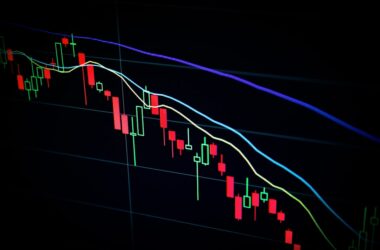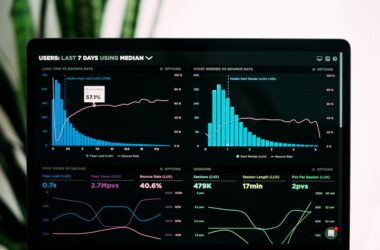
A disciplined trading routine can make market participation more organized, measurable, and efficient. A well-planned trade day provides a framework for preparing before the session, monitoring suitable opportunities, and reviewing performance afterward. Rather than relying on spontaneous decisions, traders can use a practical system that combines market observation, time management, risk awareness, and statistical tracking.
What’s Covered
- Why Daily Planning Matters
- Establishing Clear Trading Conditions
- Managing Time During the Session
- Using Statistics to Guide Improvements
- Keeping Risk Management Consistent
- Maintaining a Trading Journal
- Conducting an End-of-Day Review
- Improving the Routine Over Time
- Conclusion
Why Daily Planning Matters
Planning creates a clear starting point before market activity increases. A trader can review current price trends, important technical levels, volatility, and the instruments that deserve attention.
This process helps narrow the focus to relevant information. A shorter, carefully selected watchlist can make analysis more manageable while allowing traders to become familiar with recurring price behavior.
Establishing Clear Trading Conditions
Every trading strategy benefits from defined conditions. These may include preferred market trends, specific chart patterns, momentum characteristics, or price levels that indicate potential opportunities.
Writing these conditions down before the session can make them easier to evaluate objectively. It also creates a useful reference for later performance analysis because traders can determine whether completed trades actually matched their intended criteria.
Managing Time During the Session
Time management is an important part of an efficient trading routine. Markets can remain active for long periods, but different sessions may produce different levels of opportunity and volatility.
Creating specific periods for market observation and execution can help traders use their attention effectively. Scheduled breaks can also provide space to reassess market conditions without continuously reacting to every price movement.
Using Statistics to Guide Improvements
Trading statistics provide valuable information about how a strategy performs. Recording metrics such as win rate, average gain, average loss, risk-to-reward ratio, setup frequency, and session performance can reveal useful trends.
A larger sample of trades makes these observations more meaningful. For instance, traders may discover that a particular setup performs consistently during a specific market period. Such findings can help improve future planning without relying on assumptions.
Keeping Risk Management Consistent
Risk planning should be established before entering a position. Traders can determine their intended position size, stop placement, and acceptable exposure according to their trading framework.
Consistency in risk measurement makes performance data easier to interpret. When position sizing follows a clear methodology, traders can focus on evaluating the quality of their decisions rather than allowing individual outcomes to dominate their analysis.
Maintaining a Trading Journal
A trading journal can connect daily activity with long-term development. Along with recording entry and exit information, traders can note the setup used, market conditions, reasoning behind the decision, and final outcome.
Over time, these records create a personal database. Reviewing that database can reveal recurring strengths, preferred market conditions, and areas where the trading process is working particularly well.
Conducting an End-of-Day Review
A short review can bring the trading session to a productive close. Traders can compare their original market expectations with actual price behavior and assess how closely they followed their plan.
The review should focus on useful observations rather than simply judging the day’s result. A session that produces valuable data and reinforces good habits can contribute meaningfully to long-term progress.
Improving the Routine Over Time
A trading routine should evolve as new information becomes available. Statistical records can show which parts of the process are delivering value and where adjustments may improve efficiency.
Small refinements are often easier to maintain than major changes. Updating a watchlist process, adjusting review questions, or improving trade documentation can gradually strengthen the overall system.
Conclusion
Planning and managing a trading day effectively requires structure without unnecessary complexity. Preparation establishes direction, defined conditions support consistent decisions, time management improves focus, and statistics provide measurable feedback.
By combining these elements into a repeatable routine, traders can turn each session into a practical learning opportunity. A thoughtful daily process can support stronger organization, clearer analysis, and continued development toward a more professional trading approach.
What You Need to Know
- A disciplined trading routine enhances organization, measurability, and efficiency in market participation.
- Daily planning allows traders to focus on relevant information by reviewing current price trends and significant technical levels.
- Defining specific trading conditions can help traders evaluate their strategies objectively and improve performance analysis.
- Time management during market sessions is crucial for effective attention allocation and reassessing market conditions.
- Recording trading statistics such as win rate and risk-to-reward ratio can identify valuable trends and enhance future planning.
- Maintaining a trading journal connects daily activities to long-term development by revealing strengths and areas for improvement.