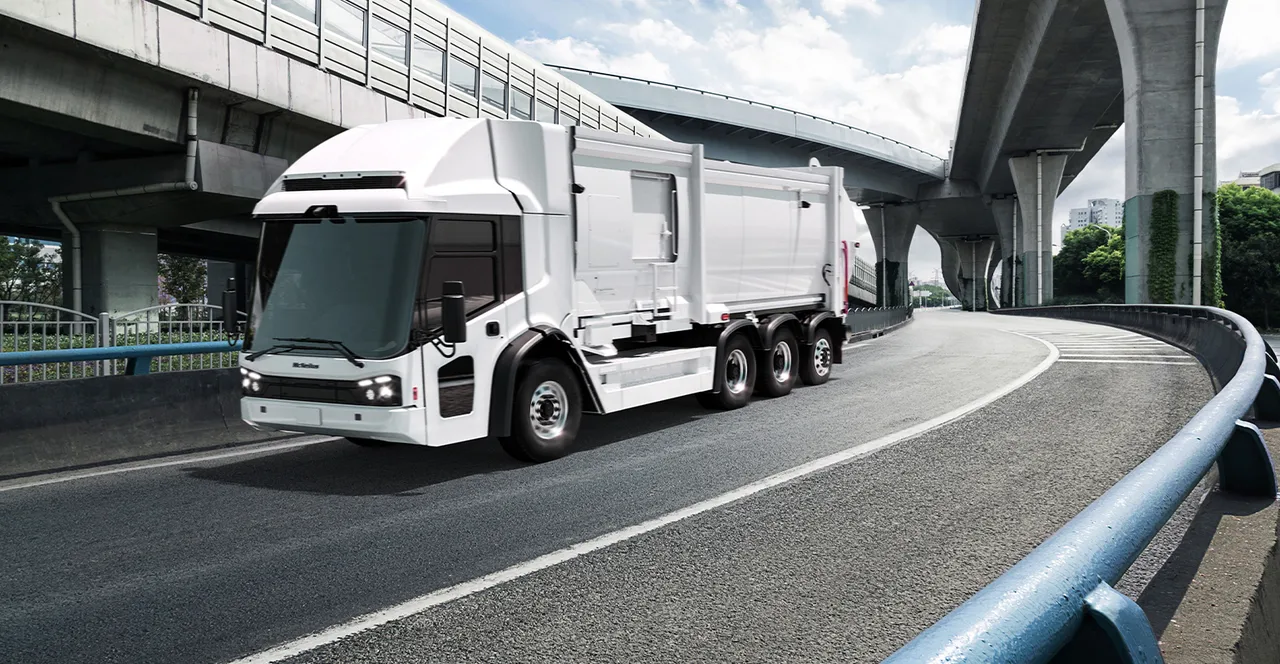
The waste management industry depends on reliable equipment that can handle demanding collection schedules, heavy workloads, and challenging operating conditions. Choosing the right refuse truck can have a major impact on fleet productivity, maintenance costs, and overall business performance. Among the many options available today, the McNeilus truck stands out as a popular choice for municipalities, commercial waste companies, and private fleet operators.
When comparing a McNeilus truck with other refuse trucks, several factors must be considered, including durability, efficiency, technology, operator safety, maintenance requirements, and long-term value. Companies looking for dependable heavy-duty equipment often turn to experienced suppliers like Atlantic Heavy Duty for guidance when selecting the right refuse vehicle for their operations.
Understanding the Role of Modern Refuse Trucks
Refuse trucks are no longer simple collection vehicles. Modern waste management requires advanced equipment capable of improving efficiency while reducing operating expenses.
A typical waste collection fleet must complete hundreds of stops each day while handling heavy loads and operating in different environments. Whether serving residential neighborhoods, commercial properties, or industrial facilities, refuse trucks must provide consistent performance.
A McNeilus truck is designed specifically for these challenges, offering solutions that focus on productivity, durability, and operational efficiency.
McNeilus Truck Durability Compared to Other Refuse Trucks
Durability is one of the most important factors when comparing refuse trucks. Waste collection vehicles experience significant stress because of constant loading cycles, heavy materials, and daily road use.
A McNeilus truck is built with strong structural components and heavy-duty materials designed to withstand demanding refuse collection environments. Its reinforced body construction and reliable mechanical systems help extend service life and reduce the frequency of major repairs.
While many refuse truck manufacturers offer durable equipment, McNeilus has developed a strong reputation for producing trucks that perform consistently under difficult working conditions.
For fleet owners, investing in a durable truck means fewer interruptions, lower repair costs, and improved productivity over time.
Loading Technology Comparison
Loading technology plays a major role in determining how efficiently a refuse truck operates.
Traditional refuse trucks often require more manual interaction, which can slow down collection routes and increase physical demands on operators. Modern automated systems have changed the industry by improving speed and safety.
The McNeilus side loader is an example of advanced automated collection technology. It allows operators to collect containers using a hydraulic arm while remaining inside the cab. This improves route efficiency, reduces physical strain, and helps companies complete more stops during a workday.
Compared with conventional loading systems, the McNeilus side loader provides significant advantages for residential and automated collection operations where speed and consistency are essential.
Productivity and Route Efficiency
Fleet productivity directly affects profitability. A truck that completes more stops with fewer delays can create significant operational advantages.
A McNeilus truck is designed to improve productivity through efficient loading systems, optimized body designs, and operator-friendly controls. These features allow drivers to spend more time collecting waste and less time dealing with equipment limitations.
Other refuse trucks may provide similar capabilities, but McNeilus focuses heavily on maximizing daily performance through engineering improvements and practical design.
For large waste management companies, even small improvements in collection speed can result in substantial annual savings.
Capacity and Payload Performance
Payload capacity is another important comparison point between refuse trucks.
A truck with greater capacity can collect more waste before needing to unload, reducing unnecessary trips to disposal facilities. However, the vehicle must also maintain maneuverability and efficiency.
A McNeilus truck offers various configurations that allow businesses to select equipment based on their specific collection needs. Fleet operators can choose models that balance capacity, route conditions, and operational requirements.
Other refuse trucks may also provide different capacity options, but the best choice depends on how well the truck matches the company’s daily workflow.
Fuel Efficiency and Operating Costs
Fuel expenses represent a major portion of waste management operating costs. Companies need trucks that provide strong performance without unnecessary fuel consumption.
A McNeilus truck is designed with efficiency in mind. Improved hydraulic systems, optimized vehicle designs, and reliable engine performance help reduce fuel usage during daily collection activities.
Although purchase price is an important consideration, fleet managers should focus on total cost of ownership. A truck that delivers better fuel efficiency, fewer repairs, and longer service life may provide greater value over time.
Operator Safety and Comfort
Safety is a critical concern in the waste management industry. Drivers and collection workers face challenging conditions every day, making safe equipment essential.
McNeilus trucks include features designed to improve operator visibility, comfort, and control. Automated collection options reduce the need for manual handling and allow drivers to remain protected inside the vehicle during certain operations.
For example, the McNeilus side loader helps improve safety by reducing physical interaction with waste containers and minimizing exposure to traffic conditions.
While other refuse trucks also include safety features, McNeilus continues to focus on creating equipment that supports both productivity and operator protection.
Maintenance and Service Support
Maintenance costs can significantly affect fleet profitability. A reliable refuse truck should be easy to service and supported by accessible replacement parts.
A McNeilus truck is designed with serviceability in mind, allowing technicians to perform inspections and repairs more efficiently. Regular maintenance helps extend equipment life and prevents unexpected downtime.
Choosing a trusted supplier is also important. Atlantic Heavy Duty helps businesses evaluate equipment options and find solutions that support long-term fleet reliability.
Strong service support can make a major difference in reducing operational disruptions and keeping trucks on the road.
Technology and Innovation
Technology continues to transform the waste management industry. Modern refuse trucks increasingly include features that improve efficiency, monitoring, and overall performance.
McNeilus has invested in innovations that help fleet operators improve collection operations. From automated loading systems to improved controls, these technologies provide practical benefits for businesses managing large fleets.
While competing refuse truck manufacturers also offer advanced solutions, McNeilus remains recognized for combining technology with practical waste collection needs.
New and Used Truck Value
Both new and used refuse trucks can provide value depending on a company’s budget and requirements.
A new McNeilus truck offers the latest features, maximum service life, and updated technology. It can be an excellent choice for companies seeking long-term fleet expansion.
Used McNeilus trucks can also provide strong performance at a lower initial investment. When properly inspected and maintained, used equipment can continue delivering reliable service for many years.
Working with experienced professionals helps businesses identify trucks that provide the best combination of condition, price, and performance.
Why Many Companies Choose McNeilus Trucks
When comparing a McNeilus truck with other refuse trucks, several advantages stand out: durability, efficient loading technology, operator safety, productivity improvements, and long-term value.
Waste management companies need vehicles that can perform reliably every day. A truck that reduces downtime and improves collection efficiency can have a direct impact on business success.
The reputation of McNeilus has made it a preferred option for many municipalities and private waste operators seeking dependable refuse solutions.
Conclusion
Choosing between different refuse trucks requires careful evaluation of performance, durability, technology, maintenance, and overall value. A McNeilus truck offers a combination of features designed to improve waste collection efficiency and support long-term fleet success.
From advanced automation with the McNeilus side loader to durable construction and reliable operation, McNeilus trucks provide solutions for the modern waste management industry.
Companies seeking expert assistance can rely on Atlantic Heavy Duty for quality equipment guidance and support. By selecting the right refuse truck for their specific needs, fleet operators can improve productivity, reduce operating costs, and build a more efficient waste collection operation for the future.