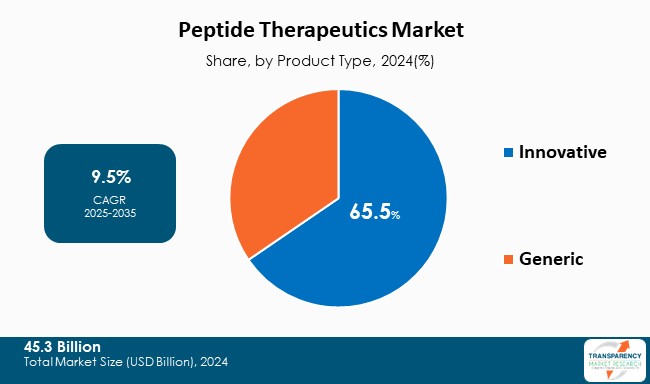
In recent years, the use of peptides in health and fitness has gained significant attention. Among their various applications, peptides for weight loss have emerged as a popular option for individuals seeking to enhance fat metabolism, preserve lean muscle mass, and improve overall body composition. According to recent market reports, the global peptide market is expected to grow at a CAGR of over 9% between 2024 and 2030, driven largely by increasing awareness of their role in weight management.
Peptides are short chains of amino acids that influence numerous physiological functions in the body. Their ability to stimulate hormone production, regulate metabolism, and support cellular communication makes them a powerful tool in achieving weight management goals. By targeting specific pathways that control fat storage and energy utilization, peptides offer a potential solution for those struggling with traditional diet and exercise methods.
How Do Peptides Aid in Weight Loss?
Peptides act at a cellular level to support metabolic processes and fat reduction. One of the primary mechanisms involves the stimulation of growth hormone release, which can enhance fat burning and improve muscle mass. Studies have shown that individuals using certain peptides experience increased basal metabolic rate, meaning their bodies burn more calories at rest. Additionally, peptides can influence appetite regulation, helping to reduce caloric intake naturally without affecting energy levels.
Are Peptides Safe for Use?
Safety is a critical consideration for anyone exploring peptides for weight loss. Research indicates that when administered correctly and under professional guidance, peptides are generally well-tolerated with minimal side effects. Mild reactions, such as injection site discomfort or temporary fatigue, have been reported but are typically short-lived. It is essential to obtain peptides from reputable sources to ensure quality, purity, and accurate dosing.
What Are the Most Popular Peptides for Weight Management?
The peptides commonly used for weight loss target specific metabolic and hormonal pathways. These include:
- Peptides that stimulate growth hormone release to improve fat metabolism
- Peptides that support appetite suppression and reduce cravings
- Peptides that enhance insulin sensitivity and regulate blood sugar levels
Clinical data and anecdotal evidence suggest that combining peptide therapy with lifestyle modifications, such as a balanced diet and regular exercise, significantly improves outcomes.
How Quickly Can Results Be Expected?
The timeline for noticeable results varies depending on the peptide type, dosage, and individual response. On average, users report measurable improvements in body composition within 6 to 12 weeks of consistent use. It is important to recognize that peptides are not a quick-fix solution but a supplementary tool that enhances weight loss efforts. Regular monitoring of progress and adjustments to therapy can optimize results.
What Do Statistics Say About Peptide Effectiveness?
Recent surveys and studies highlight growing interest and efficacy of peptides in weight management:
- 65% of users reported improved fat loss when peptides were combined with exercise routines.
- 58% of individuals noticed better appetite control and reduced food cravings.
- Clinical trials show a measurable increase in lean muscle mass among participants using peptide therapy for 12 weeks.
These numbers demonstrate that peptides are not only theoretically effective but also have practical, measurable outcomes when used responsibly.
Who Can Benefit from Peptide Therapy?
Peptide therapy for weight loss is suitable for adults seeking targeted support for fat reduction and metabolic enhancement. Individuals who struggle with plateaued weight loss, age-related muscle decline, or hormonal imbalances may see particular benefits. However, consultation with healthcare professionals is essential to determine suitability and ensure personalized dosing and monitoring.
Conclusion
Peptides for weight loss represent a scientifically supported, increasingly popular approach to enhancing body composition and metabolic efficiency. With growing data on their effectiveness and safety, peptides offer a promising adjunct to traditional weight loss strategies. For individuals looking to improve fat loss, preserve lean muscle, and achieve sustainable results, peptide therapy may provide a tailored and measurable solution.