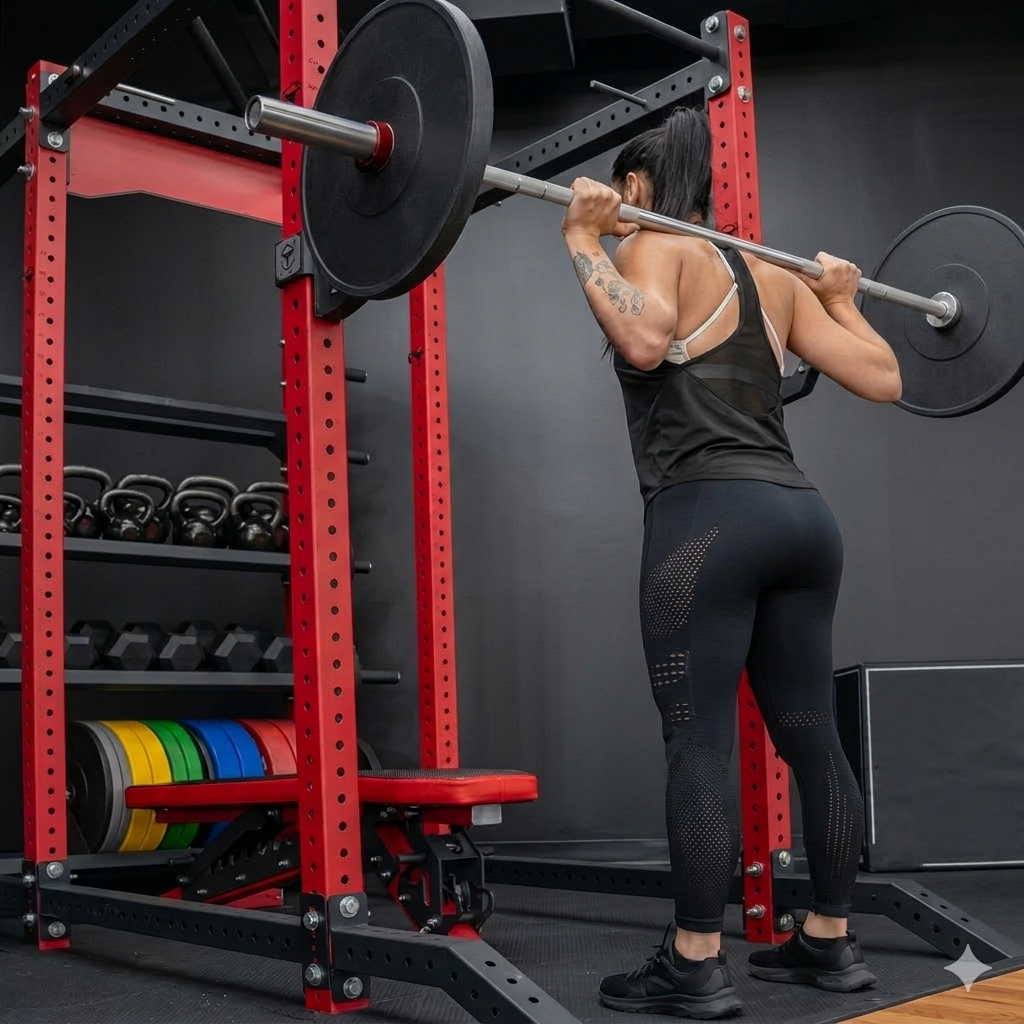
In today’s evolving fitness landscape, gyms and fitness enthusiasts are seeking equipment that blends innovation, durability, and versatility. One solution that consistently meets these demands is the functional trainer Canada. Designed to serve both commercial gyms and home training spaces, this equipment is revolutionizing the way Canadians approach strength and functional training.
What makes a functional trainer essential for modern gyms?
A functional trainer combines multiple exercise modalities into a single, compact machine. This allows users to perform a variety of strength and conditioning exercises without needing an entire wall of equipment. Modern gym environments thrive on versatility, and a functional trainer addresses this by offering adjustable pulleys, cable systems, and attachments that accommodate all fitness levels.
How does a functional trainer enhance training efficiency?
Efficiency in the gym is critical, especially for commercial facilities where time and space are at a premium. Functional trainers allow athletes and gym-goers to transition seamlessly between exercises. This eliminates downtime, reduces the need for multiple machines, and maximizes the effectiveness of workouts. Users can perform upper-body, lower-body, and core exercises in a single session, increasing overall training output.
What are the key design features of a modern functional trainer?
A premium functional trainer is built with a focus on strength, stability, and ergonomics. Features often include reinforced steel frames, dual adjustable pulleys, high-quality cables, and multiple attachment points for exercises such as cable crossovers, rows, squats, and presses. The design also emphasizes smooth motion and minimal friction to ensure safety and a professional workout experience.
Why should commercial gyms invest in a functional trainer?
For commercial gyms, client satisfaction and retention are closely tied to the quality and variety of available equipment. A functional trainer allows gyms to offer comprehensive training programs in limited space. It supports functional movement patterns, enhances performance, and caters to members with different fitness goals, from rehabilitation to high-performance strength training.
Can functional trainers accommodate different skill levels?
Absolutely. Modern functional trainers are designed to be versatile. Beginners can start with lighter resistance and simple movements, while advanced users can perform complex, multi-joint exercises with heavier loads. This adaptability ensures that everyone, regardless of experience, can benefit from the equipment.
What role does a functional trainer play in rehabilitation and injury prevention?
Functional trainers are particularly effective for rehabilitative training because they allow controlled, low-impact movements. Physical therapists and trainers can use these machines to help clients rebuild strength, improve joint stability, and restore functional mobility. Adjustable resistance and smooth cable systems minimize stress on joints while promoting safe, progressive training.
How does the construction of a functional trainer impact its longevity?
Premium construction is crucial. High-quality steel frames, reinforced joints, and durable cables ensure that a functional trainer can withstand years of intensive use without compromising safety or performance. Regular maintenance is simplified due to the robust engineering, making it a long-term investment for gyms and fitness facilities.
What makes a functional trainer ideal for home gyms?
Home gym enthusiasts often face space constraints, making multifunctional equipment a practical choice. Functional trainers combine multiple exercise options in a single footprint, allowing for comprehensive workouts in a compact area. Additionally, they offer the same high-quality experience as commercial machines, making them suitable for serious athletes training at home.
How does a functional trainer support functional fitness trends?
Functional fitness emphasizes movements that mimic real-life activities. Functional trainers are specifically designed to facilitate these patterns, including pulling, pushing, twisting, and bending motions. By incorporating these exercises, users develop strength, stability, and coordination that directly translate to everyday activities and sports performance.
What benefits can users expect in terms of performance gains?
With consistent use, functional trainers can dramatically improve strength, endurance, and flexibility. Athletes report enhanced muscle activation due to the machine’s ability to challenge multiple planes of motion. The versatility also promotes balanced development, reducing the risk of muscular imbalances and supporting overall performance improvement.
Are functional trainers suitable for group training or personal training sessions?
Yes. Functional trainers are excellent for both one-on-one sessions and small group training. Trainers can customize resistance levels and exercise variations to match each participant’s needs, ensuring an inclusive and effective workout environment. This adaptability is particularly valuable for personal trainers who require equipment capable of addressing diverse client goals.
How does a functional trainer align with safety standards in modern gyms?
Safety is a top priority in contemporary gym design. Functional trainers are engineered to provide controlled resistance and smooth movement paths, minimizing the risk of sudden jerks or improper form. Many models include weight stack guards, anti-slip foot platforms, and clear instructional guides, ensuring users can train safely and confidently.
Can a functional trainer increase the overall appeal of a fitness facility?
Absolutely. The presence of high-quality, versatile equipment signals professionalism and commitment to client experience. A well-equipped gym with a functional trainer attracts fitness enthusiasts who are looking for modern, effective training options. This can enhance member satisfaction, retention, and overall reputation in the fitness community.
What factors should gyms consider when selecting a functional trainer?
When choosing a functional trainer, gyms should evaluate durability, versatility, footprint, and ease of maintenance. Machines with adjustable pulleys, multiple attachment points, and ergonomic design provide the best value. It’s also important to consider the brand’s reputation for quality and after-sales support, ensuring that the equipment will remain functional for years of heavy use.
How does regular usage impact fitness outcomes?
Consistent training on a functional trainer improves muscle strength, endurance, and coordination. Users often notice enhanced athletic performance and functional capacity, enabling them to perform daily tasks and sports-related activities more efficiently. The machine’s adaptability also allows gradual progression, making long-term improvements achievable without risking injury.
What sets modern Canadian functional trainers apart from older models?
Modern Canadian functional trainers focus on innovation, build quality, and ergonomic efficiency. Unlike older machines that might be bulky or limited in movement options, today’s models are compact, versatile, and designed for fluid motion. These improvements make them better suited for both high-volume commercial gyms and dedicated home setups.
How does investing in a functional trainer benefit long-term fitness goals?
A functional trainer is more than just equipment—it’s an investment in a lifestyle of strength, mobility, and overall wellness. By offering a comprehensive solution for diverse exercises, it helps users build a well-rounded fitness foundation. Long-term commitment to functional training promotes injury prevention, muscular balance, and sustained athletic performance.
What makes a functional trainer a preferred choice for serious athletes?
Serious athletes require equipment that can challenge all aspects of physical performance. Functional trainers allow for progressive overload, multi-plane movements, and sport-specific exercises. Their versatility ensures that training remains dynamic and effective, supporting athletes in achieving peak performance while minimizing the risk of overuse injuries.
Conclusion
The functional trainer Canada represents the pinnacle of modern gym equipment, combining versatility, durability, and innovation. Whether for commercial facilities or home gyms, these machines offer a professional-grade training experience that supports a wide range of fitness goals. From beginners to elite athletes, users can benefit from improved strength, functional movement, and long-term performance gains. Investing in a premium functional trainer not only enhances workout efficiency but also elevates the overall fitness environment, making it an indispensable asset for anyone committed to serious training.